/* Debug: Make toggle content visible */
.pafe-toggle-content {
border: 2px solid red !important;
min-height: 30px !important;
}
/* Debug: Show full content on hover to verify it's there */
.pafe-toggle-content:hover {
height: auto !important;
}
Skip to content
Medaro Mining Corp. is a Canadian mineral exploration company dedicated to building a secure supply of the minerals critical for energy, and high‑tech applications.
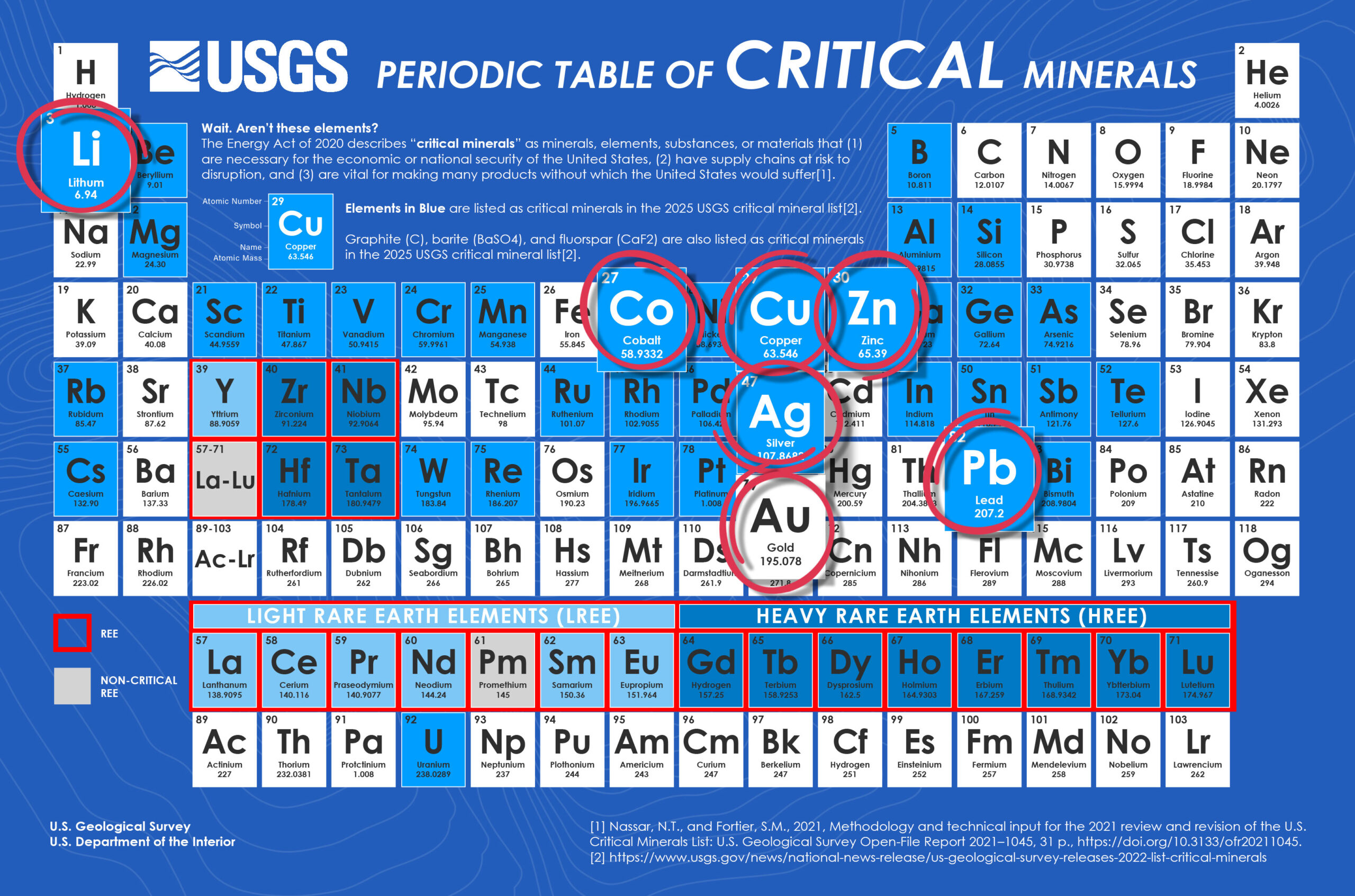
Critical minerals underpin industries worth trillions of dollars.[1] Their value is a direct consequence of growing demand…
They are essential to economic or national security functions (energy systems, defense, high‑tech manufacturing).
Supply chain vulnerability impacted by disruption (high import reliance, concentrated foreign production, geopolitical risk, or by‑product dependence).
If disrupted, the impact can cause significant economic damage or national security risk.
Precious metals have experienced an unprecedented, historic, and record-breaking rally, with gold surpassing $5,000 per ounce in early 2026 and some forecasting $6,000 this year. This bull market has seen the sector transition from a hedge into a major, high-performing asset class.[2]
Medaro Mining’s opportunity targets highlighted in RED above.
SILVER: SUPPLY DEFICITS MEET EXPLODING DEMAND
SUPPLY CONSTRAINTS PERSIST
Silver production has struggled to keep pace with consumption. The Silver Institute projects only modest growth in mine supply, failing to close the widening gap between supply and demand. This persistent shortfall has drawn down above-ground inventories, with stockpiles reaching multi-year lows and signaling a tightening physical market.1
INDUSTRIAL DEMAND ACCELERATES
Industrial applications now accounts for over 50% of total silver demand, driven by the metal’s unique properties, including high electrical and thermal conductivity, reflectivity, and antibacterial characteristics.
Solar photovoltaic installations represent the largest single industrial use of silver, consuming significant volumes of silver paste for solar cells. As global solar capacity expands, silver demand from the sector is projected to grow by double digits in 2026. The continued proliferation of electric vehicles, 5G infrastructure, and advanced electronics continues to underpin robust consumption.
This growing industrial demand is creating a market that supply is struggling to satisfy. The ongoing deficit reflects more than a cyclical imbalance – it points to a structural shift in silver’s demand base, supporting the potential for a sustained strength in silver prices.1
RECORD PRICES
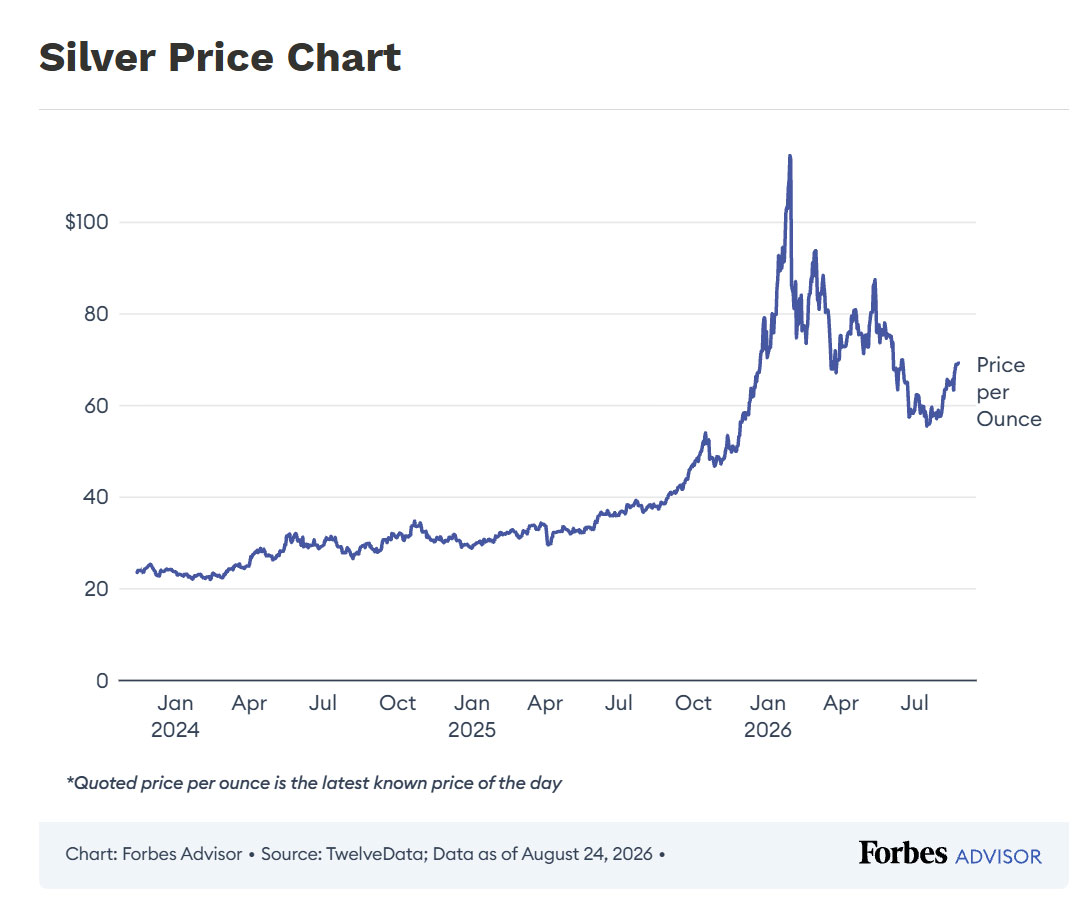
Silver gained 143% in 2025, outperforming gold and most major commodities. Tight physical markets and a volatile geopolitical backdrop are expected to continue supporting elevated silver prices.2
From electronics and renewableenergy to AI infrastructure and data centers, silver plays a vital role in powering the technologies we rely on every day.
The Silver Institute
Click image to enlarge
ZINC: A Tightening Market
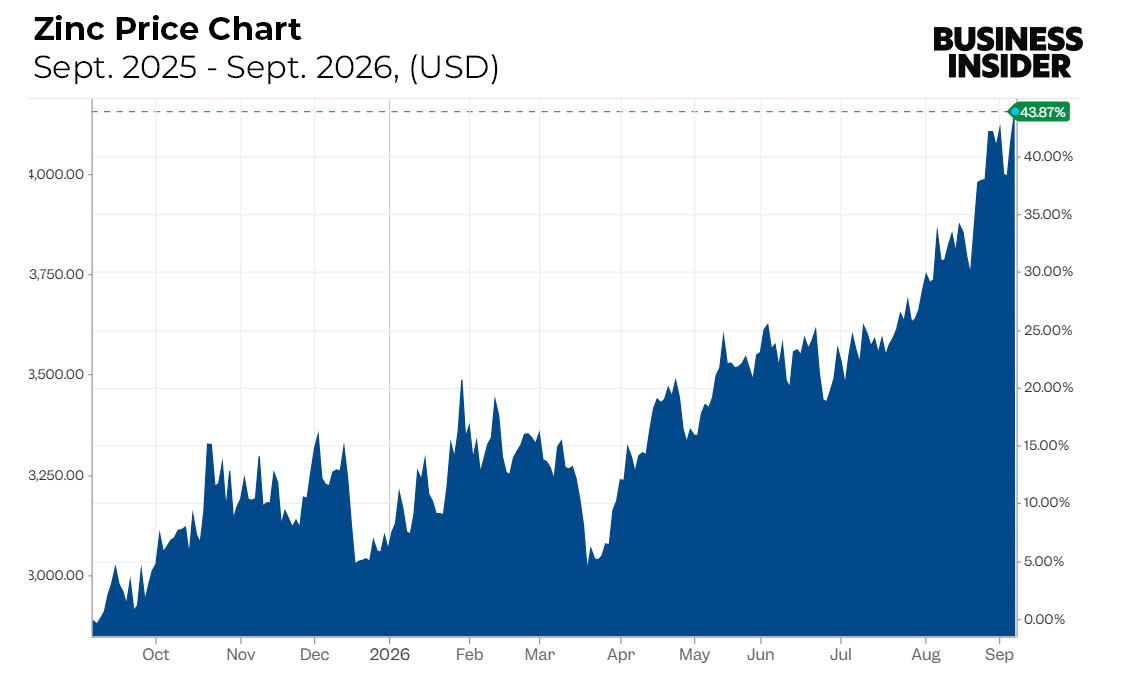
Zinc prices have reached four-year highs, with LME zinc recently trading around US$3,900–4,000/t, driven by tightening physical markets and declining exchange inventories.¹
Global mined zinc production is struggling to keep pace with demand. ILZSG data indicates that zinc mine production growth has slowed sharply in 2026, with disruptions and declining output across several major producing regions.2
Treatment charges have collapsed, highlighting intense competition among smelters for available zinc concentrate. Chinese spot treatment charges have fallen into deeply negative territory, providing a strong indication that concentrate supply is becoming increasingly constrained.¹
Western zinc supply is particularly vulnerable. Mine disruptions and stressed Western smelter economics are increasing reliance on refined zinc from China, highlighting the strategic importance of developing new zinc production outside China.¹
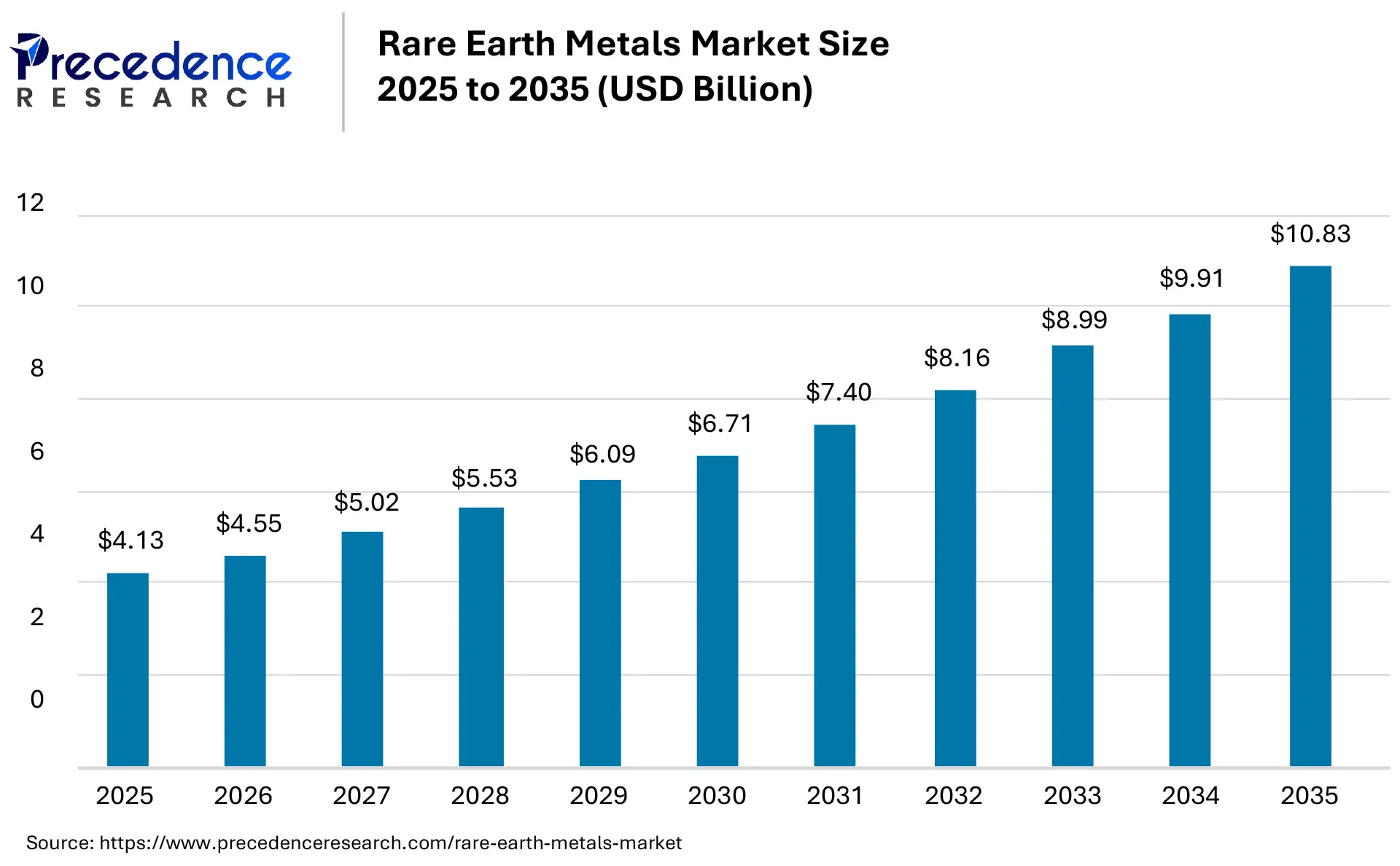
The global REEs market is projected to grow from US$4.13 billion in 2025 to US$10.83 billion by 2035, driven by rising demand from EVs, renewable energy, data centres, smart technologies and defence.¹
Global REE demand is expected to increase by more than 60% by 2040, with permanent magnets critical to transportation, energy, electronics and defence.²
China dominates the global REE earth supply chain, accounting for approximately 70% of global extraction and more than 90% of downstream processing and magnet production.²
Defence and national security are accelerating demand. Rare earth magnets are critical to fighter aircraft, submarines, missiles and other advanced defence systems, driving efforts to secure alternative supply.²
Global copper demand is projected to surge 50% to 42 million tonnes by 2040, driven by electrification, AI, data centres, renewable energy and defence, with a potential 10 million tonne supply shortfall without significant new supply.¹
Wood Mackenzie warns that insufficient mine investment could drive sustained shortages and price volatility, with more than 8 million tonnes of new mine capacity needed by 2035.²
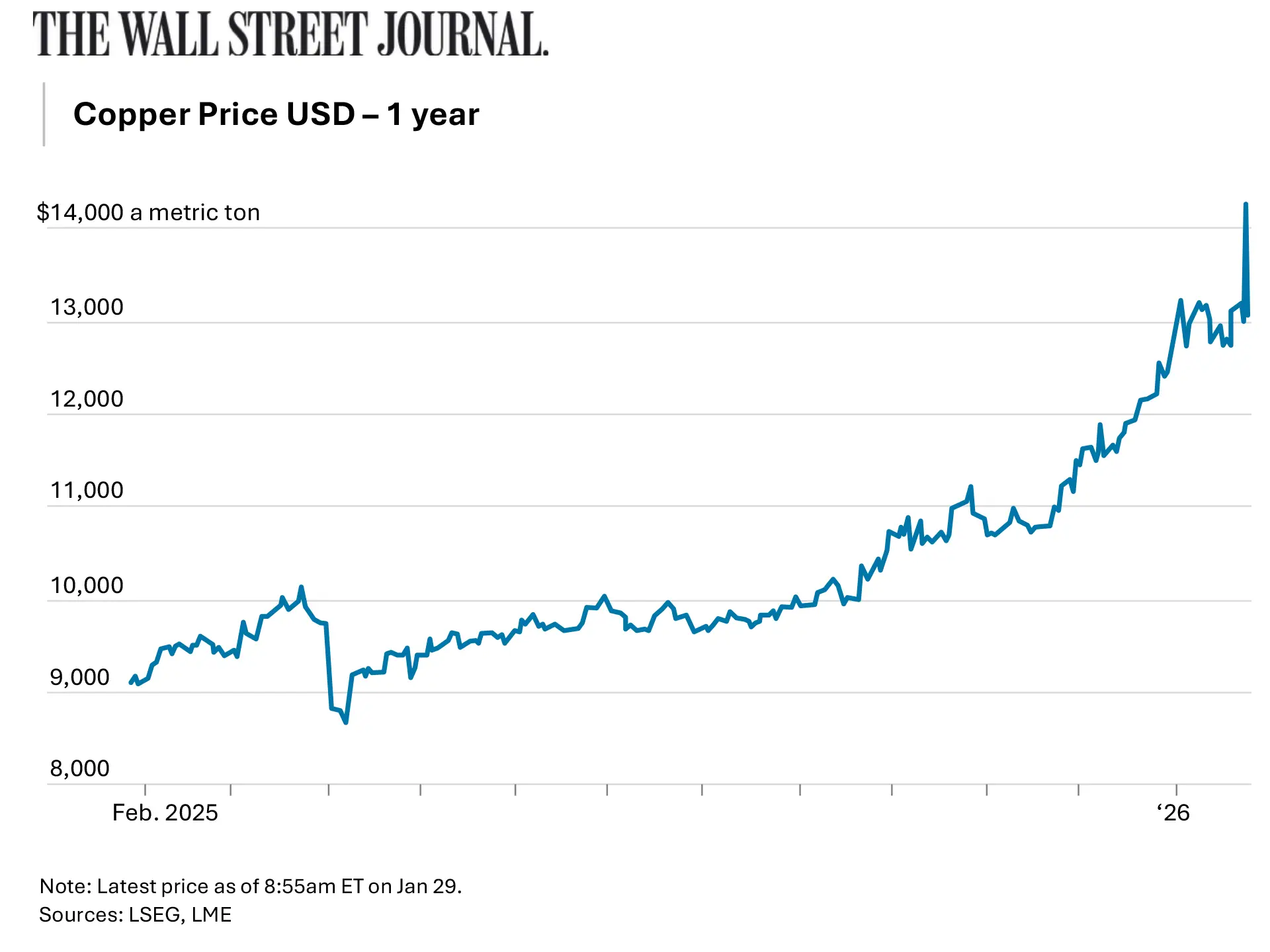
Mining magnate Robert Friedland has warned of a long-term copper “train wreck,” arguing that copper prices may need to reach US$15,000 per tonne to incentivize new mine development.³
Copper prices surpassed US$14,000 per tonne in January 2026, reflecting tightening supply and strong demand.⁴
Gold has historically served as a store of value during periods of uncertainty, and today’s heightened geopolitical and economic instability continues to support demand.
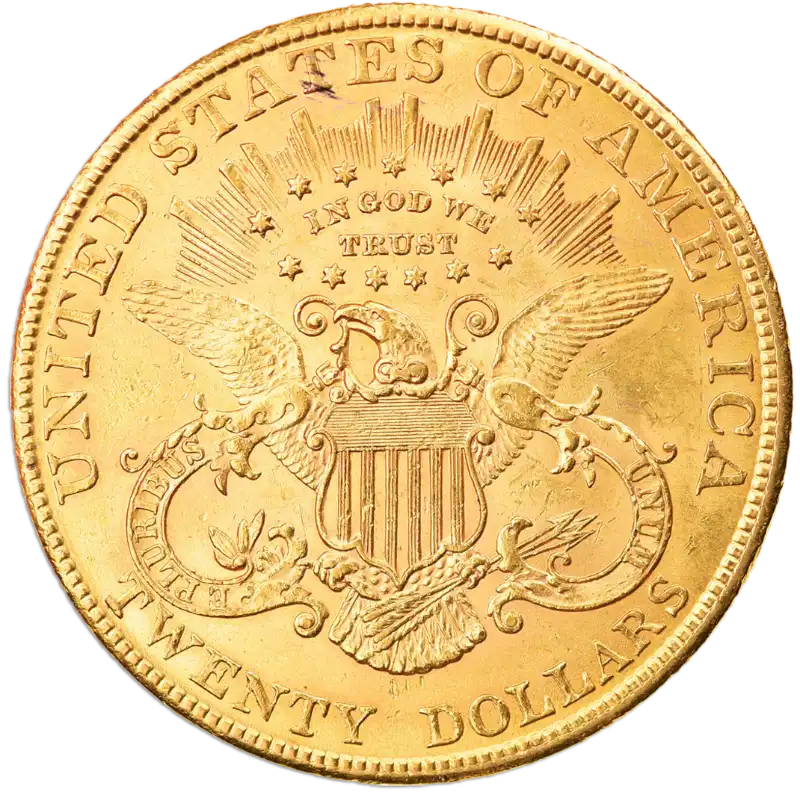
Gold has reached unprecedentedlevels, surpassing US$5,600/oz in January 2026, with analysts forecasting continued strength.¹
Elevated gold prices can materially improve project economics, potentially making previously marginal deposits increasingly attractive.
Gold Jumps Back Above $5,000. The Precious Metals Rally Is Back
JPMorgan has raised its year-end 2026 gold price forecast to $6,300 an ounce, citing sustained and strengthening demand from both central banks and investors, even after the recent bout of sharp price volatility.
Global cobalt demand is projected to outpace supply over the next decade, potentially pushing the market into deficit by the early 2030s. Demand is being driven by EV batteries as well as growing aerospace and defence requirements.¹
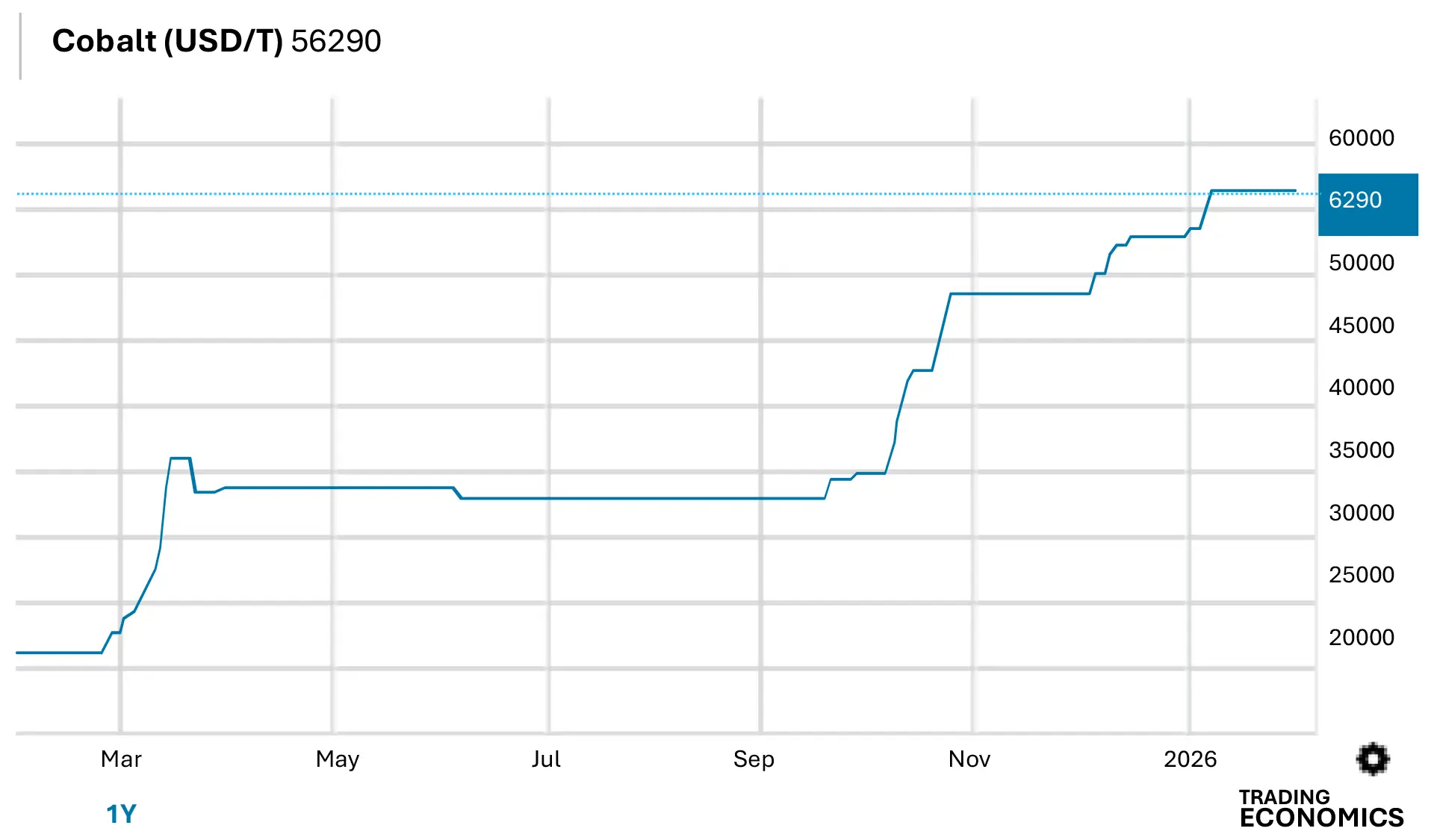
Cobalt prices have rebounded sharply, with LME prices rising more than 20% in October 2025, while DRC export controls are adding pressure to global supply.²
Cobalt is a strategic defence metal, critical to high-performance superalloys used in aerospace, fighter aircraft and other defence applications, as well as EV batteries. The U.S. is seeking to secure up to 7,500 tonnes of cobalt worth up to US$500 million for a strategic stockpile.³
Responsible and traceable cobalt supply is increasingly important, with European production offering an alternative to supply chains exposed to significant environmental and social concerns associated with cobalt mining in the DRC.⁴